
Home > Products > Pipes & Tubes > Welded Pipes & Tubes
Welded Pipes & Tubes
Introduction to Welded Pipes & Tubes
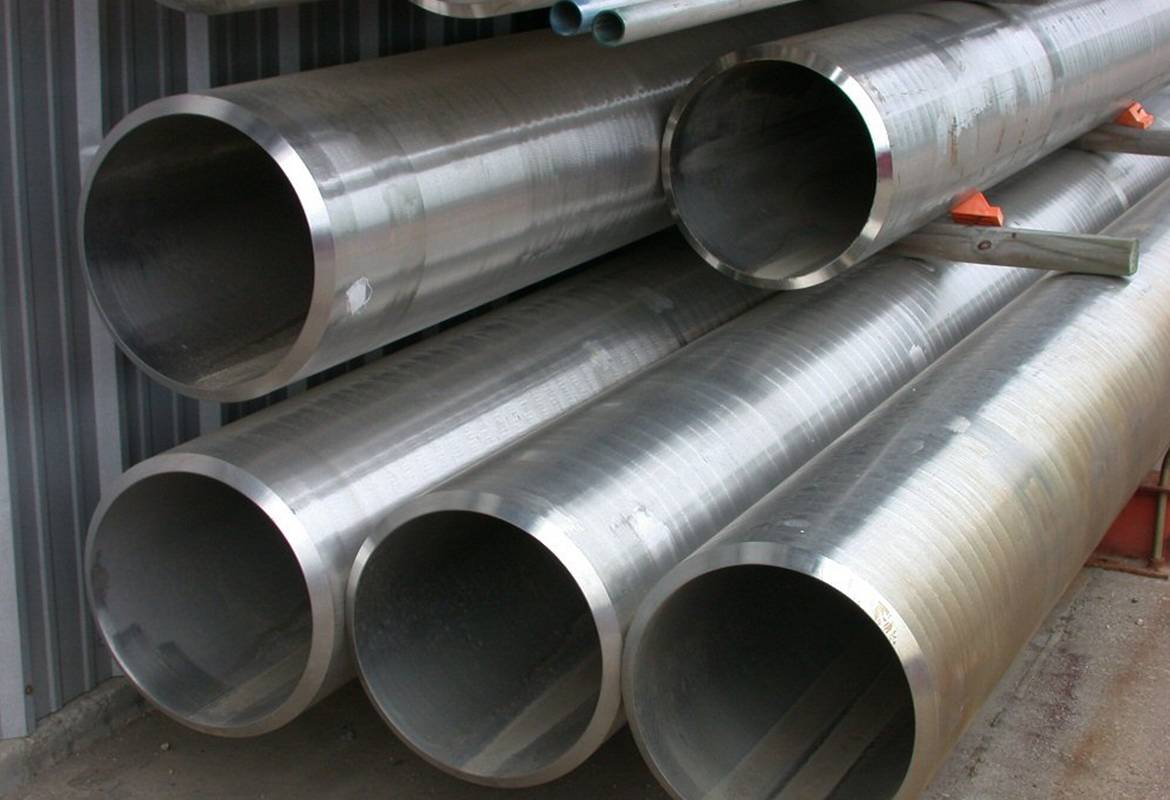
Welded pipes and tubes are produced by rolling flat metal plates or coils into cylindrical or shaped profiles and joining the seam through a welding process. The result is a strong, pressure-tested product, offered in a much wider size range than seamless alternatives. There are three main types of forming methods used by manufacturers, such as Electric Resistance Welding (ERW), Electric Fusion Welding (EFW), and continuous tube welding for smaller bore sizes. Each method is suitable for certain ranges of wall thickness and material grades.
Industrial welded pipes deliver dimensional accuracy that meets tight tolerance standards across all major material grades. Welded stainless steel tubes are less expensive to manufacture than seamless pipes of similar size and come in diameters not possible with seamless processing, especially over 24 inches. They maintain their structural integrity under cyclic pressure and temperature conditions, so they are good for pressure vessel fabrication, structural applications and heat exchanger fabrication. Welded metal pipes cover applications from low-pressure water distribution up to API-rated oil and gas service, depending on the grade, wall thickness, and welding specification applied.
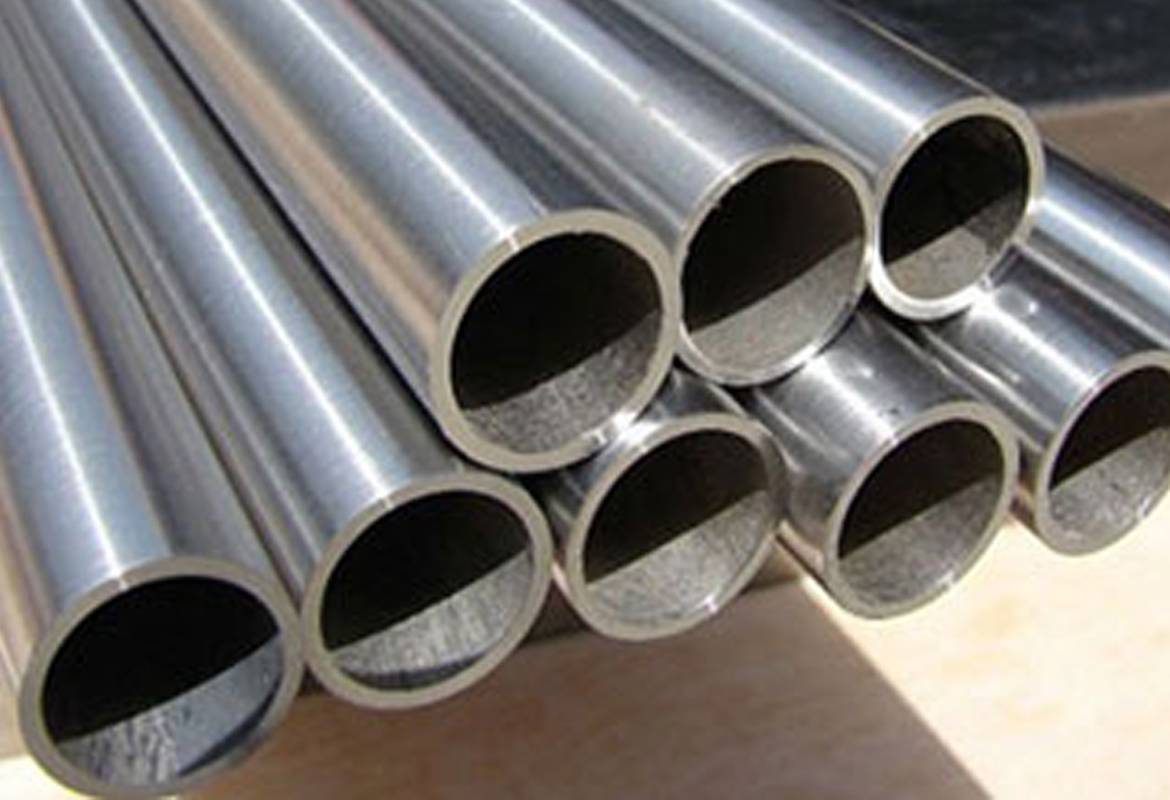
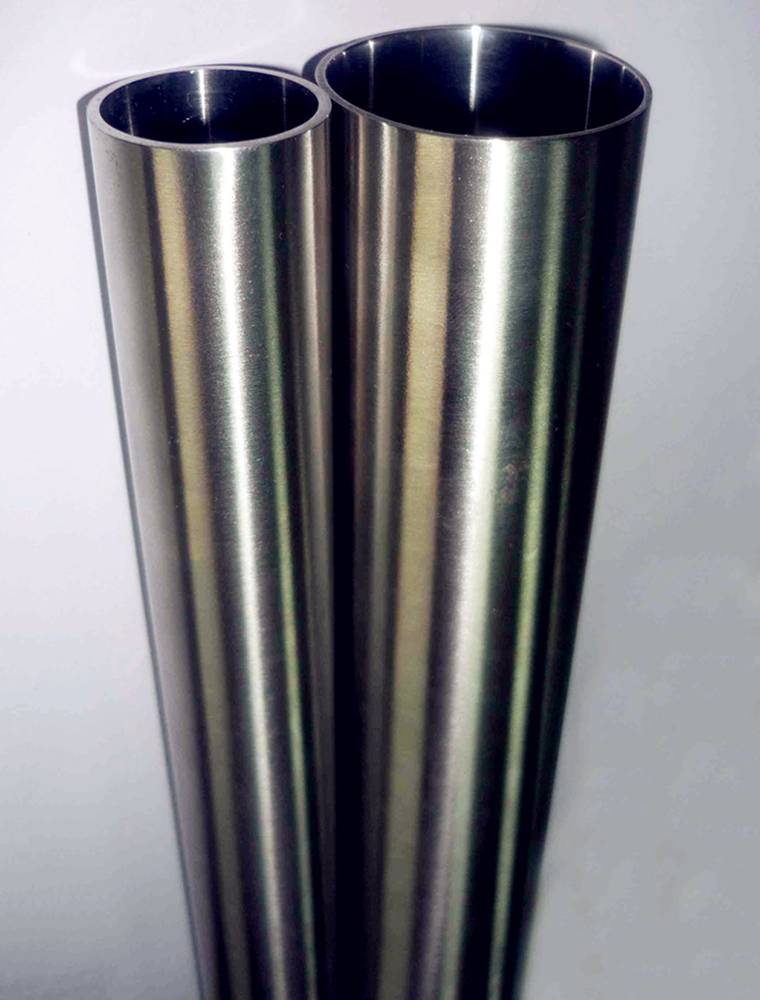

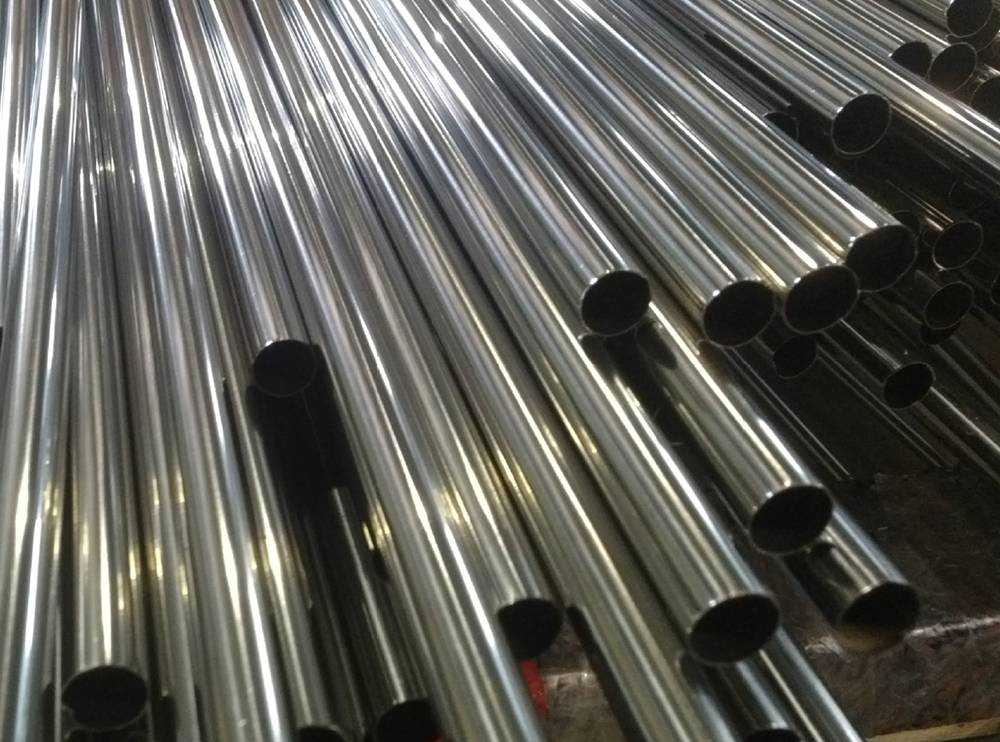


Welded Pipes & Tubes Specifications
Bhansali Overseas supplies welded pipes and tubes to the following technical parameters across stainless steel, nickel alloy, and carbon steel grades.
| Parameter | Details |
| Standards | ASTM, ASME, API 5L, DIN, EN, JIS |
| Size Range | 1/8" NB to 48" NB (DN 6 to DN 1200) |
| Wall Thickness | Schedule 5S, 10S, 20, 40S, 80S, XXS and custom |
| Length Options | Random (single/double), fixed length, cut-to-length |
| End Types | Plain End, Beveled End, Threaded End |
| Surface Finish | Annealed, Pickled, Polished (No.1, 2B, BA, Mirror) |
| Manufacturing Methods | ERW, EFW, Welded (Longitudinal / Spiral) |
Types of Welded Pipes & Tubes
The available types of welded pipes and tubes are listed below in detail.
ERW Pipes & Tubes
Electric Resistance Welded pipes form when high-frequency current fuses strip edges as they press together, without filler metal. These suit structural, oil field casing, and pressure piping up to medium wall thickness.
EFW Pipes & Tubes
Electric Fusion Welded pipes handle heavier walls and larger diameters than ERW allows. Refineries and chemical plants specify EFW where heavier plate sections are involved.
Longitudinal Welded Pipes
Longitudinal seam pipes carry a single straight weld along the pipe length, suited to pressure piping and fluid transport lines where predictable weld geometry supports radiographic inspection.
Large Diameter Welded Pipes
Pipes above 24 inches come exclusively from plate rolling and welding. This construction is needed for the flow capacity required for pipeline transmission, water mains and slurry transport projects.
Round Welded Tubes
Round welded tubes serve heat exchangers, boiler systems, and general fluid transfer service where tight OD tolerances matter.
Square Welded Tubes
Square hollow sections suit structural frameworks, support columns, and machinery bases where flat mating surfaces simplify connection details.
Rectangular Welded Tubes
Rectangular welded tubes appear in conveyor structures and industrial racking systems where directional load resistance is the primary design consideration.
Materials & Grades Available
The available material and grades for welded pipes and tubes are listed in the table given below.
| Material | Grades / Designations |
| Stainless Steel | 304, 304L, 316, 316L, 321, 347, 310S, 317L |
| Carbon Steel | ASTM A53, A106, A333, IS 1239, IS 3589 |
| Alloy Steel | ASTM A335 P5, P9, P11, P22, P91 |
| Duplex Steel | UNS S31803 (2205), UNS S32205 |
| Super Duplex Steel | UNS S32750, UNS S32760 |
| Nickel Alloys | UNS N02200, N02201 (Nickel 200/201) |
| Monel | Monel 400 (UNS N04400), K-500 |
| Inconel | Inconel 600, 625, 718 |
| Hastelloy | Hastelloy C276, C22, B2, B3 |
| Titanium | Grade 1, Grade 2, Grade 5 (Ti-6Al-4V) |
| Copper Nickel | 90/10 (C70600), 70/30 (C71500) |
Applications of Welded Pipes & Tubes
The welded pipes and tubes are used in the following industries that require high-performance and strength.
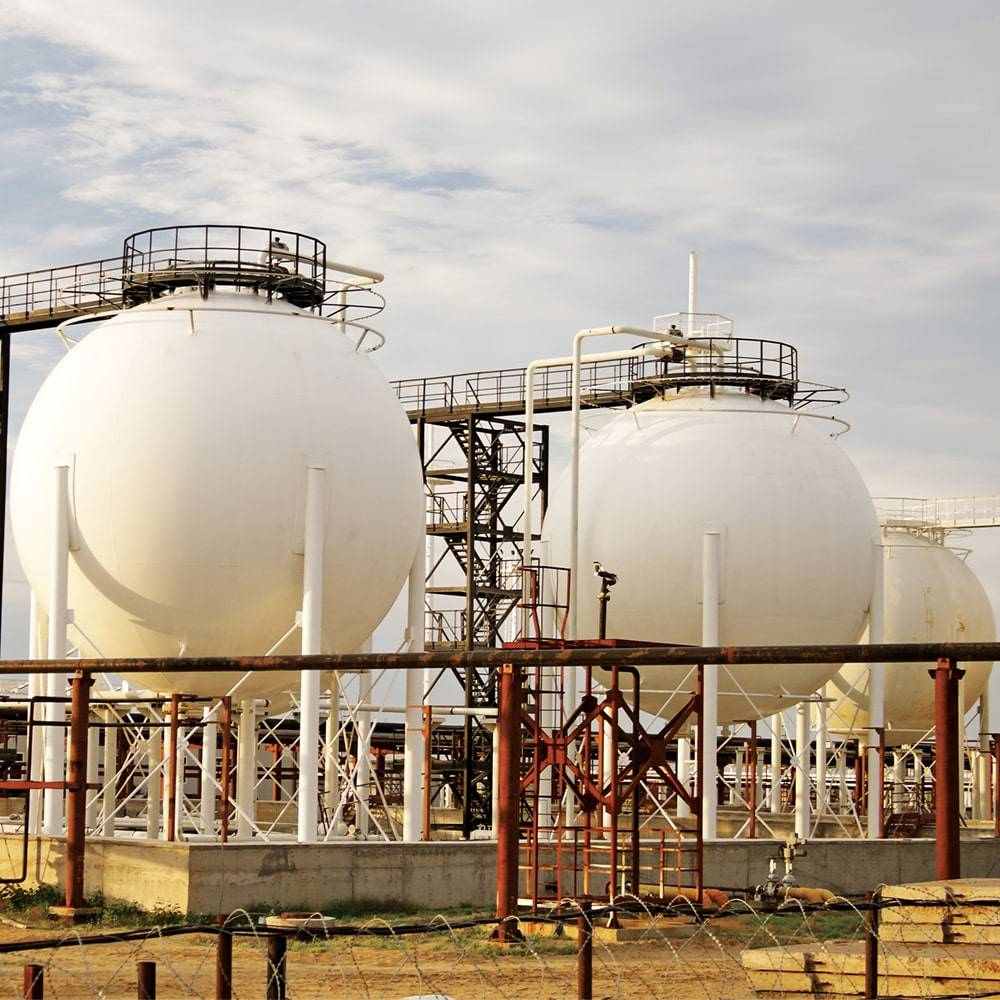
- Oil & Gas: Welded pipes rated to API 5L carry crude, gas, and hydrocarbons across transmission and gathering networks. ERW and LSAW construction covers above-ground and subsea piping.
- Petrochemical: Alloy steel and stainless welded pipes carry cracked gas and high temperature process fluids. Heavy-wall EFW meets hydrocracker pressure ratings.
- Chemical Processing: Hastelloy C276 and duplex welded tubes resist chloride pitting and acid attack in chlor-alkali plant service.
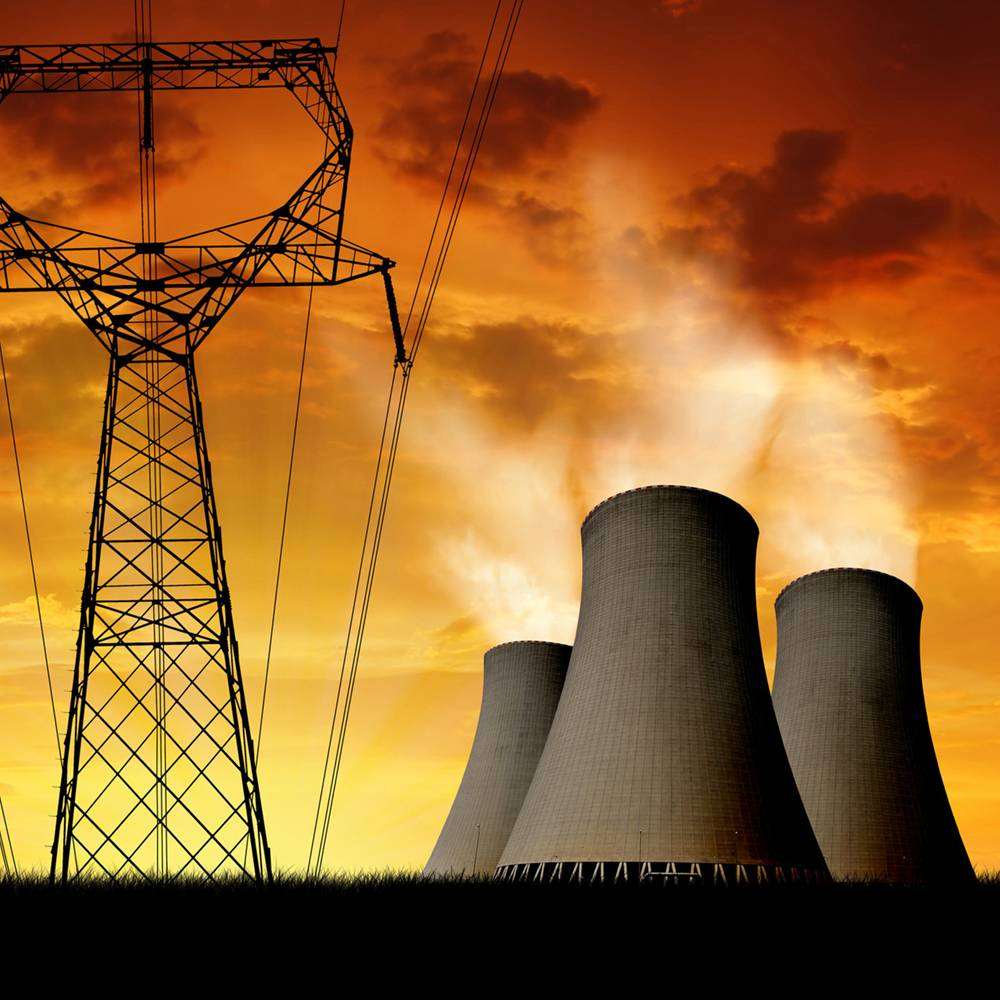
- Power Generation: Alloy steel welded pipes P11 and P22 are used for carrying steam from boiler to turbine. Titanium Grade 2 tubes for seawater condenser bundles.
- Water Treatment: Carbon steel and copper-nickel welded pipes move treated water through filtration plants and desalination units.
- Marine & Offshore: 90/10 copper-nickel and super duplex tubes withstand saltwater corrosion and offshore structural loading.
- Food Processing & Pharmaceutical: 316L electropolished welded tubing resists CIP cleaning chemicals and meets sanitary finish requirements.
- Heat Exchangers and Process Equipment: Round welded tubes in Inconel 625 or stainless 316L form tube bundles for high-temperature exchanger service.
Advantages of Welded Pipes & Tubes
- Cost-effective manufacturing: Welded pipe production uses flat-rolled strip, costing less per tonne than the billet stock seamless manufacturing requires.
- Availability in large diameters: Welded construction covers diameters from 1/8 inch up to 120 inches. Seamless production stops around 24 inches.
- Uniform wall thickness: Rolling and welding hold wall concentricity within ASTM and ASME tolerances for pressure vessel fabrication.
- Good strength and durability: If the weld of heat-treated welded pipes is of the required joint efficiency, it has the same pressure ratings as the seamless equivalents in the ASME codes.
- Excellent weldability: Field fabricators join welded alloy pipes using standard procedures. Grade selection governs weld procedure qualification.
- Broad material grade coverage: Over 50 grades are available, spanning stainless steel, nickel alloys, titanium, duplex, and carbon steel.
- Easy fabrication and installation: Uniform OD and wall dimensions allow flanges and fittings to be directly fitted without need of site machining.
FAQs
Seamless pipes are made from solid billets without welds, good for heavy walls but more expensive. Welded pipes use rolled plates, allowing larger diameters above 24 inches, and reducing the overall cost.
Bhansali Overseas is a supplier of welded pipes in a wide variety of materials including stainless and carbon steel, alloy and duplex steels, super duplex, nickel alloys, Monel, Inconel, Hastelloy, titanium and 90/10 copper-nickel.
Yes. If the weld seam meets a 1.0 joint efficiency under ASME B31.3, welded pipes match seamless pressure ratings. ERW and EFW pipes in API 5L X52/X65 routinely handle over 1,000 psi.
Oil and gas, petrochemical refining, chemical processing, power generation, water treatment, marine construction, food processing, pharmaceutical manufacturing, and heat exchanger fabrication all specify welded pipe as standard procurement material.
ERW welds strip edges with high-frequency current, ideal for thin walls up to 24 inches. EFW handles thicker walls. Continuous tube welding makes small, thin tubes quickly from a metal coil.
Bhansali Overseas can provide custom pipe sizes including cut to size, special diameters and wall thicknesses within rolling limits and non standard schedules. Custom dimensions require minimum order quantities.
Welded pipes meet global standards: ASTM A312, A358, A671, A672 for stainless; ASTM A53, A135 for carbon steel ERW; API 5L for line pipe; DIN, EN, and JIS for European and Japanese tubes.
Welded Pipes & Tubes Application Industry